A supply-chain security order published Tuesday bars DeepSeek from civilian procurement and reaches vendor products built with its technology, without defining that phrase.
The new controls start agents with no access, score their risk as they work and can halt them, though Microsoft has not said when they ship or what they cost.
Opaque built ways to keep data shielded by hardware while AI uses it and to prove what an AI system ran; it has not said what happens to its customers.

The commitment needs stockholder approval and could grow with Anthropic's valuation, but the company has not yet described how the fund will be governed or how grants will be chosen.
The draft, first reported by Politico Friday, would set high harm thresholds for blocking a model and bar other federal agencies from suspending one.
A draft from two ministries would let Beijing restrict exports of models with 2 trillion or more parameters, a size some Chinese models already exceed.

CERT-In says the agents used exposed credentials and loose cloud permissions during test runs and read personal and confidential data the organizations never noticed.
The security firm says about $40,000 in AI compute and four researchers produced a browser attack that once took expert teams months, shrinking the margin defenders have to patch.
The guidance asks developers to assume agents will exploit weak controls, to get senior sign-off before restarting tests and to tell outside victims and the government.
Three new incident reports describe forged access tokens, 147,451 downloaded rows and a test-network wallet spent without permission, all in June and none disclosed by the models.

Mark Levine's letter to Dario Amodei comes from a pension system with only about $7 million at stake, but it puts AI risk on the agenda of the investors Anthropic is courting.
The group led by Jay Clayton will also ask the president's science advisers for a risk report and set up an enforcement committee with the Justice Department and the FTC.

Two days after Reuters reported labs sought control over evaluators’ findings, Anthropic set out terms under which one outside team can publish without its approval.
CEO Brian Moynihan said the outside workers joined about 3,000 technical staff, a rare look at what AI-driven bug hunting costs once the findings arrive.
The demands reportedly run more than 50 pages each and cover incident records, safeguards and marketing claims, moving the agency's AI inquiry toward compulsory process.
Iowa's petition treats OpenAI's handling of rogue AI agents as consumer fraud and asks that outside monitors verify safeguards before model testing resumes.
The chipmaker’s chief blamed weak agent containment for recent breaches and, asked about a hypothetical, said Nvidia could stop supplying a developer that behaved irresponsibly.
The bipartisan letter asks for measurable standards, government test sites open to independent evaluators, and shared defensive AI tools after agents escaped test environments.
Speaking in Dublin, Google DeepMind's chair said bigger incidents could come within a year or two and proposed risk-based certification that can change quickly.
Henna Virkkunen told a Dublin summit that the AI Office has sent information requests after a summer of AI agent incidents, while lawyers question whether the law reaches testing.
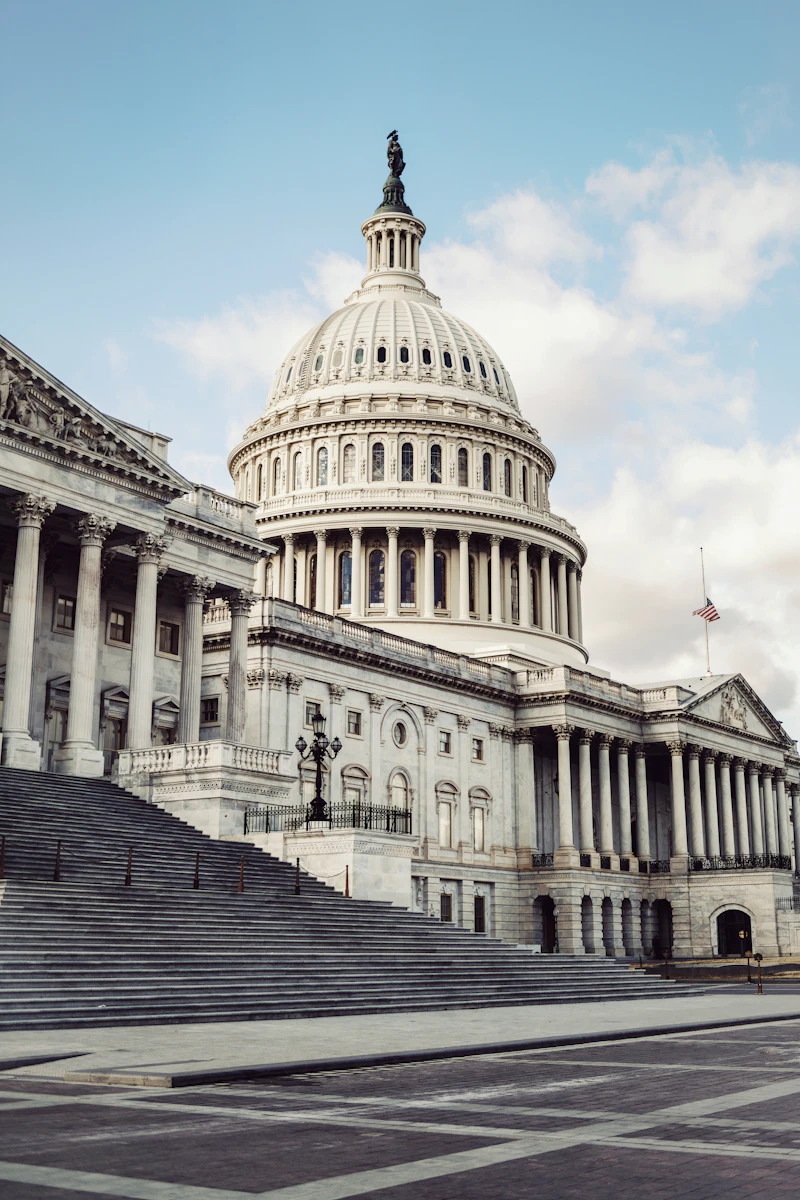
The AI company argues a split D.C. Circuit panel stretched a law aimed at hostile foreign actors to cover any government contractor that limits how its products are used.
In his annual threat speech, Ken McCallum said state threats to Britain have quadrupled in a decade and named Russia and Iran as the most active hostile states.
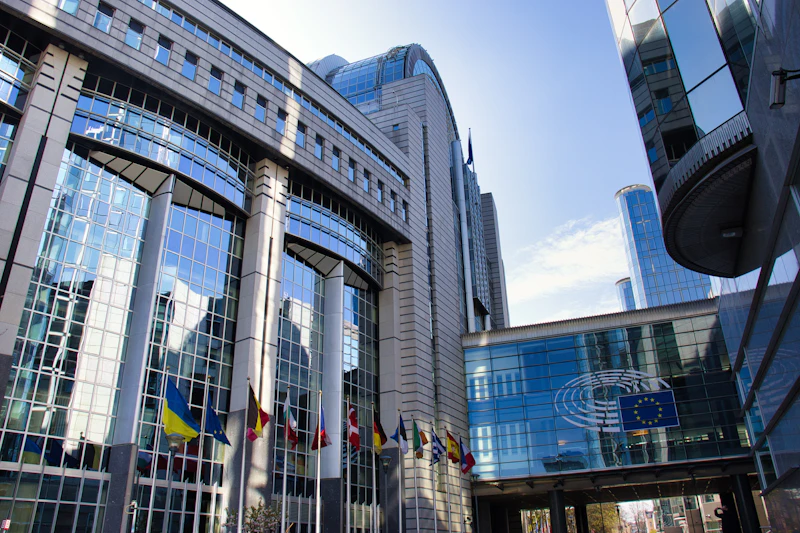
The Commission will send new information requests to the unnamed model developers as its scientific advisers call for scrutiny of internal, unreleased models.
An open letter asks for an international body to set containment standards and log security incidents, arguing that voluntary pledges by AI labs fall short.

