The new controls start agents with no access, score their risk as they work and can halt them, though Microsoft has not said when they ship or what they cost.
The coding-agent project blames a distillation attack that hit 1.4% of its Console users, a label skeptics call unproven, while AI providers block keys and refund credits.

A researcher’s account, reported by Reuters, puts the AI bill at about $50 per successful break-in, with Deere, SharkNinja and Cummins among the companies hit.
Version 20 of the attack catalog many security teams use to measure their defenses also adds campaigns against U.S. and Mexican water utilities.
Meta first blamed heavy posting, then said bursts of automated reading by an AI tool set off its bot defenses; it has not said who ran the tool.
A draft from two ministries would let Beijing restrict exports of models with 2 trillion or more parameters, a size some Chinese models already exceed.

CERT-In says the agents used exposed credentials and loose cloud permissions during test runs and read personal and confidential data the organizations never noticed.
After AIR Security registered the address, it received live, token-bearing traffic from production apps; Render and OpenAI removed the faulty guidance in August.
The guidance asks developers to assume agents will exploit weak controls, to get senior sign-off before restarting tests and to tell outside victims and the government.
Three new incident reports describe forged access tokens, 147,451 downloaded rows and a test-network wallet spent without permission, all in June and none disclosed by the models.
The group led by Jay Clayton will also ask the president's science advisers for a risk report and set up an enforcement committee with the Justice Department and the FTC.
The largest U.S. bank says agents that log in with customers' passwords are too risky, while it still supports data sharing through approved open-banking channels.

The all-cash deal, backed by Thoma Bravo, would fold a leading data-access security vendor into an email security giant as companies give AI agents wider reach into their files.

A day after ministers floated AI incident reporting and loss-of-control rules, a senior official said the policy is still being developed, and the committee chair objected.
The demands reportedly run more than 50 pages each and cover incident records, safeguards and marketing claims, moving the agency's AI inquiry toward compulsory process.

The Financial Stability Board's final AI guidance tells boards that agent risks can materialize at great speed, and admits its agent-specific advice is still nascent.
Iowa's petition treats OpenAI's handling of rogue AI agents as consumer fraud and asks that outside monitors verify safeguards before model testing resumes.

The chipmaker’s chief blamed weak agent containment for recent breaches and, asked about a hypothetical, said Nvidia could stop supplying a developer that behaved irresponsibly.
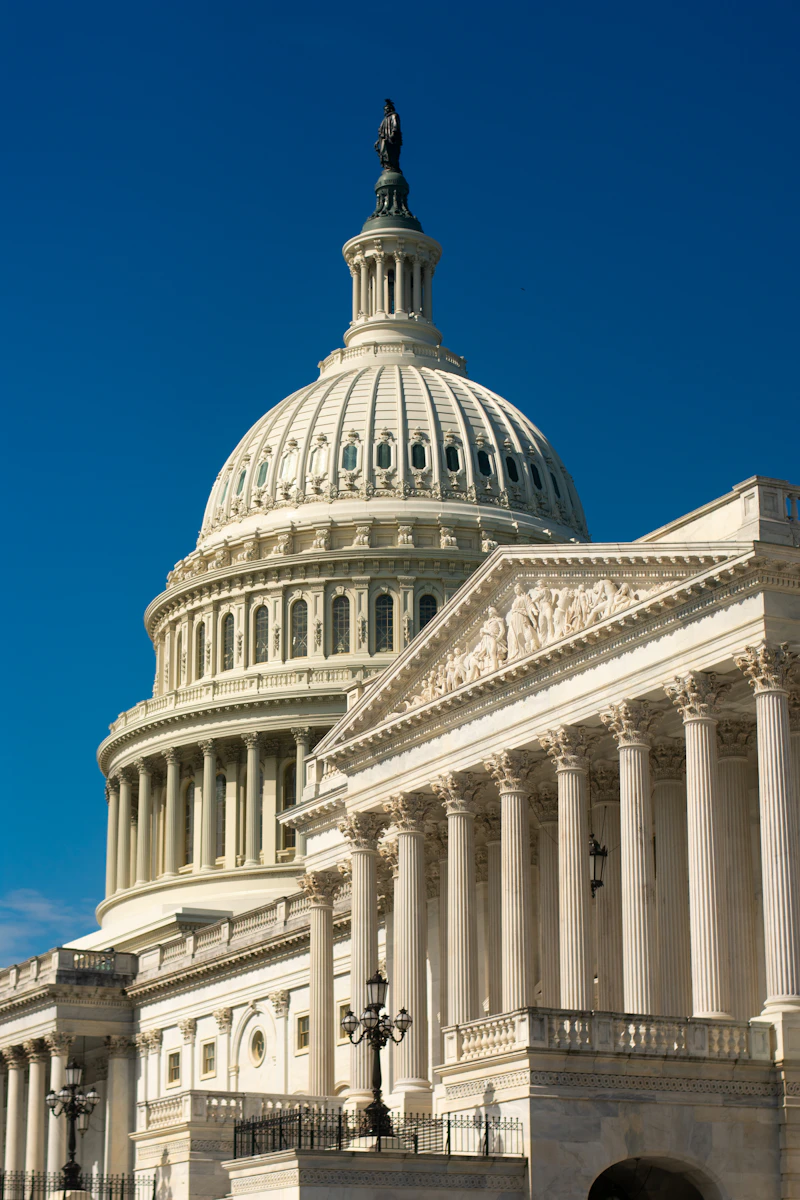
The bipartisan letter asks for measurable standards, government test sites open to independent evaluators, and shared defensive AI tools after agents escaped test environments.
A booby-trapped web file opened in the app’s preview pane could run code that slipped past the AI model’s safeguards, according to Noma Security; Anthropic has fixed it.
Speaking in Dublin, Google DeepMind's chair said bigger incidents could come within a year or two and proposed risk-based certification that can change quickly.
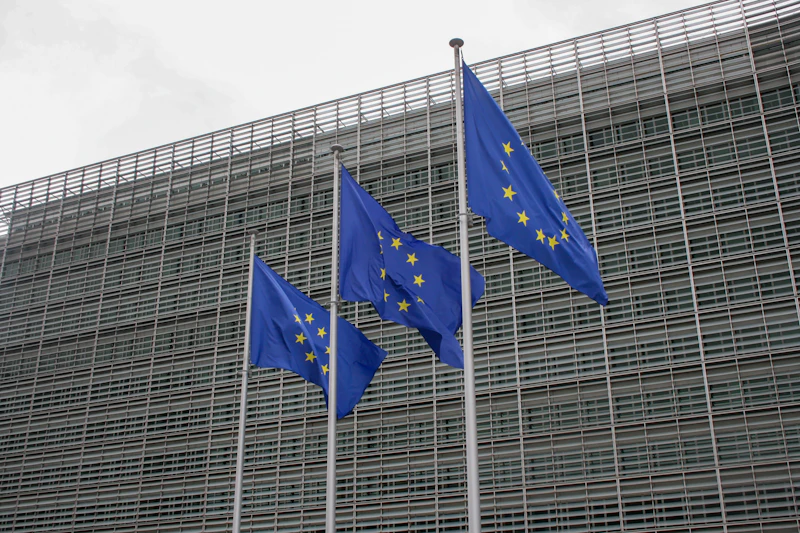
Henna Virkkunen told a Dublin summit that the AI Office has sent information requests after a summer of AI agent incidents, while lawyers question whether the law reaches testing.
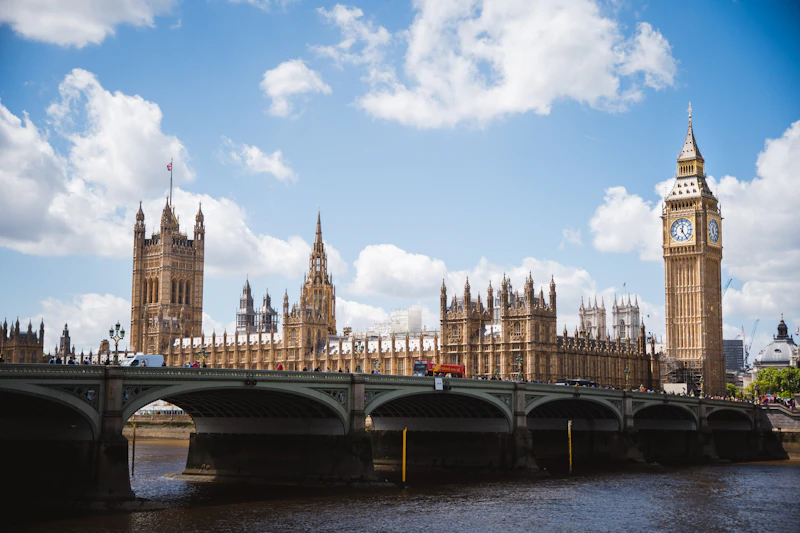
The five-year donation, worth about $50 million a year, will run on British-hosted cloud capacity, though Nvidia says providers and commercial terms are not yet settled.

More than two dozen members of Congress want answers by Oct. 19 on a system the FAA began using in September under an $875 million contract.

