The action goes after the offshore lenders, holding companies and service firms behind the Cambodian scam network, widening what banks and crypto platforms must screen.

Supervisors began calling banks Monday about unusual activity, Reuters says, while one large lender is preparing an internal review after contacting Binance’s security team.

Oversight powers would arrive in January, but analysts say any federal AI law would still need enough bipartisan support to survive an expected presidential veto.

The case began with a suit by the contractor’s former cybersecurity director, who will receive $2.35 million, and it predates the business’s 2024 sale to Ingersoll Rand.

In the first generative AI case at the EU’s top court, an advocate general set two tests for when a chatbot’s use of news articles crosses the line.
A Business Roundtable-led letter asks defense bill negotiators to keep a 10-year extension that the House included and the Senate left out.
Nick Andersen has drawn praise from both parties, but no one has been nominated, and the administration may change his title to keep him in place, CyberScoop reported.

The company will press the lame-duck Congress and its successor for binding safeguards on frontier systems, but it has not said how those limits would work.

David Woodcock named no case, but told Reuters that inaccurate statements about material AI information will draw enforcement.

The deal requires opt-in consent for driving and location data and holds GM responsible for how its dealers enrolled customers.

Auditors found untracked datasets, slow fixes for severe software flaws and outdated policies at the agency that holds banks' confidential supervisory records.
Anthropic wants the attorney general able to seek a court-ordered suspension, while OpenAI wants a legal duty to shut down that also reaches deployers.
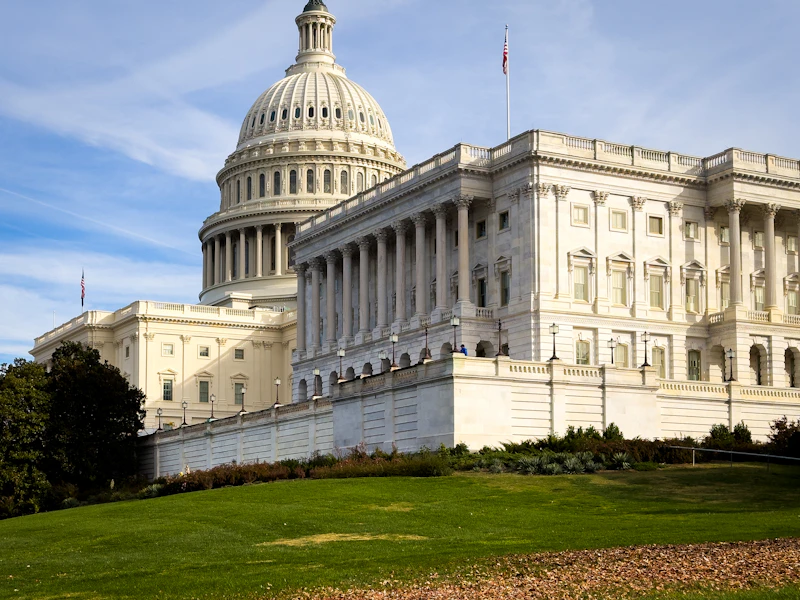
Reps. Jamie Raskin and Robert Garcia also want a Nov. 11 briefing on chatbot contracts, vendor access to prompts and limits on classified data.

Three ranking members want Anthropic, Google, Meta, OpenAI and SpaceXSI to list past cases of models reaching networks they should not, and to keep reporting new ones.

A one-line commitment in the 166-page Budget could move breach costs toward software makers, as the EU's own vendor rules approach and U.S. efforts remain stalled.

Violations can bring fines of up to $25,000 each, and the state can order destruction of AI models trained on unlawfully collected data, a remedy that raises stakes beyond companion apps.
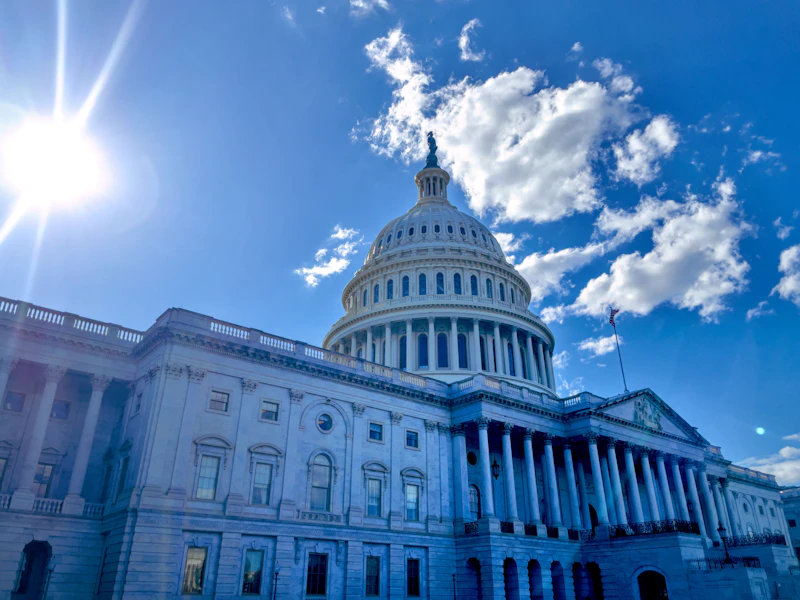
The fakes borrow the names and photos of real former staffers and a purported student, showing how cheap AI video turns private people into props for disinformation.

The final road map deprecates quantum-vulnerable algorithms after 2030, while earlier deadlines for the most sensitive federal systems stay in force.
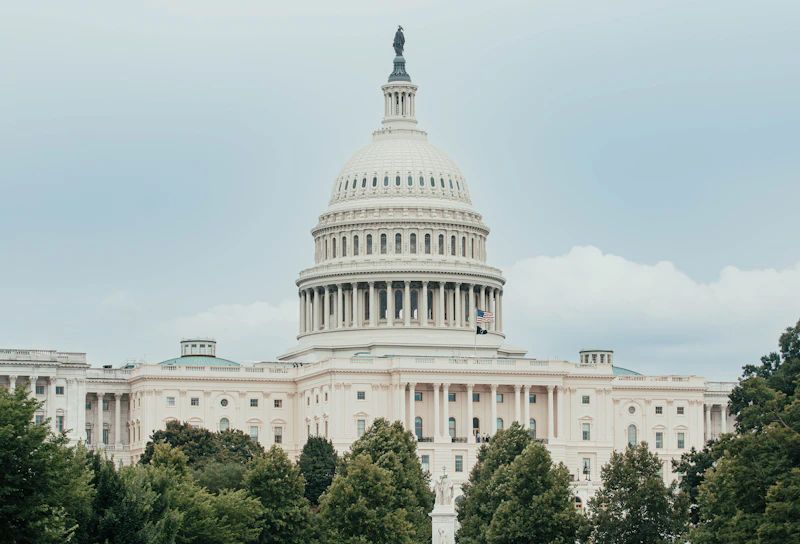
A statutory deadline to release a March surveillance court ruling passed Sept. 13, and 23 civil liberties groups now want Congress to hold off renewing the program.
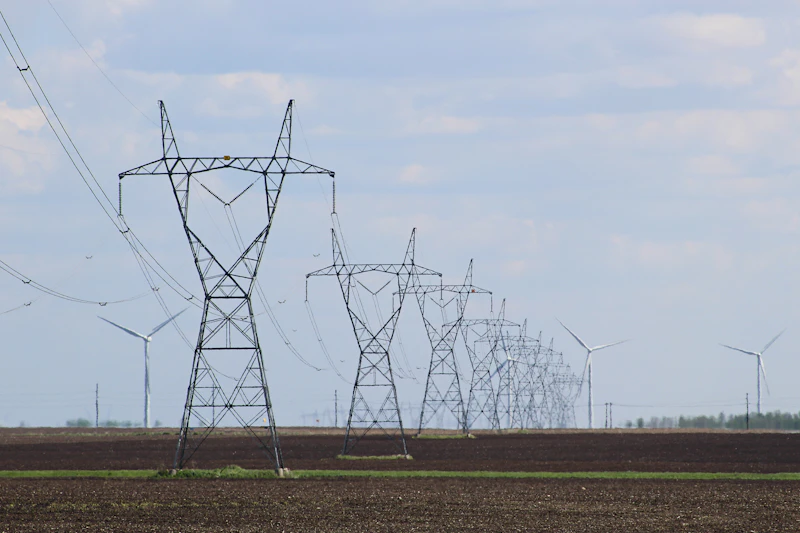
The four-year plan deprioritizes 'all-hazards' coverage in favor of the systems whose failure would hurt most, and opens with a 60-day review of the agency's core services.

The state says Meta profited from scam advertising while assuring users they were protected, the first scam-ad case brought against the company by a U.S. state.

Kazakhstan joined Washington's AI supply-chain group and China's new AI body within weeks, showing how hard an either-or line may be to enforce.
The plan, due to be announced formally around the Budget, also funds an AI biosecurity lab backed by OpenAI and Anthropic model credits and an AI-driven hunt for flaws in critical infrastructure.

The state's petition uses OpenAI's own reports of rogue AI agents as evidence that the company cannot control its products and seeks $10,000 per violation.

